
Main Switchboards

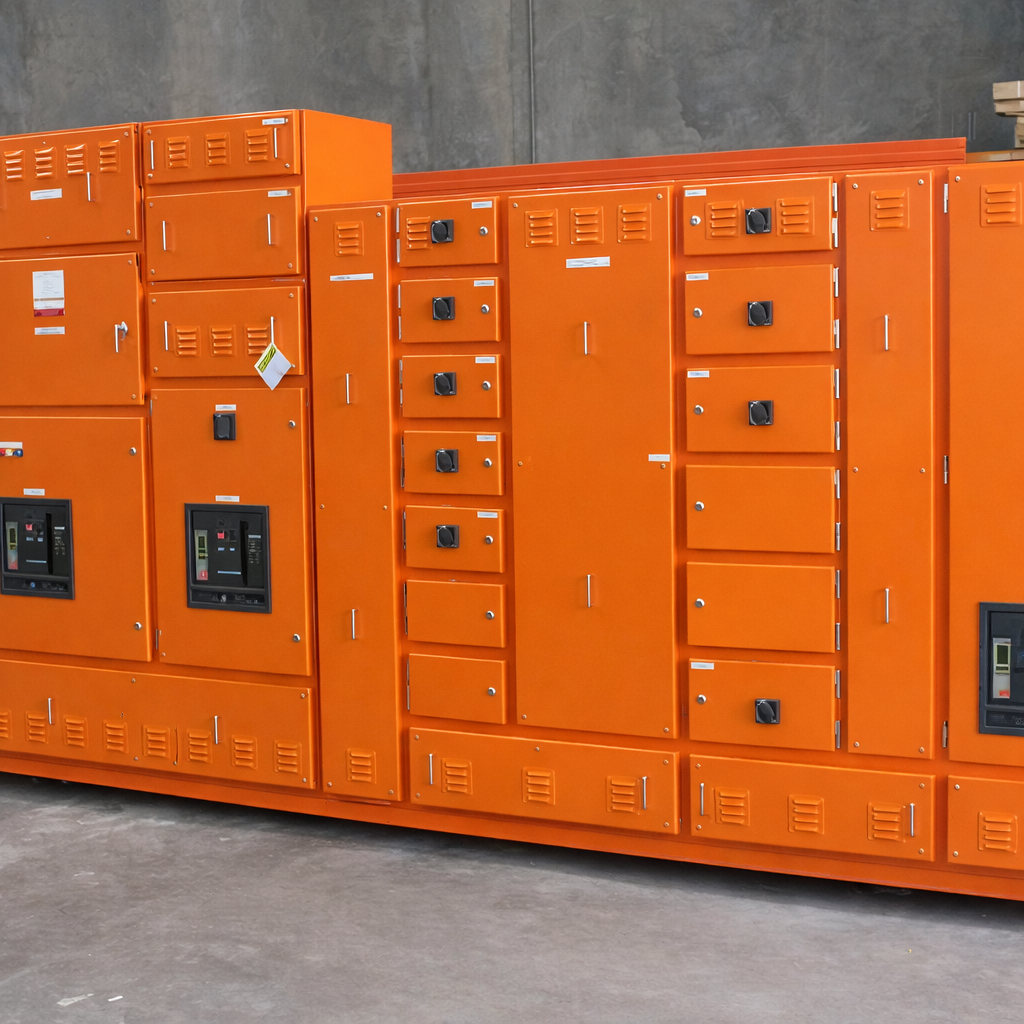
Main switchboards are the central hub of an electrical distribution system. They receive power from the utility supply and distribute it safely and efficiently throughout a building, facility, or site.

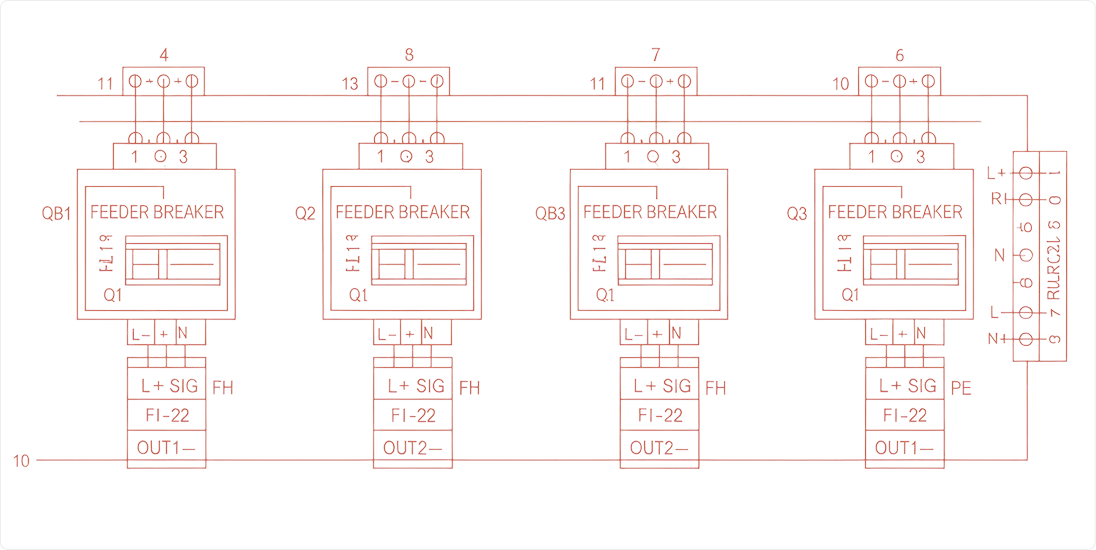
Acting as the primary control point, main switchboards house key components such as main isolators, circuit breakers, and surge protection devices.

These switchboards are typically used in commercial, industrial, and large-scale residential applications. They are designed to manage electrical loads and provide protection for both people and equipment. A well-designed main switchboard ensures that power is distributed reliably, faults are cleared quickly, and critical circuits remain protected.

Main switchboards can be customised to meet the specific needs of a project, including the number of outgoing circuits, the type of protection devices required, and space allowances for future expansion. Safety standards are critical, and compliance with AS/NZS 61439 series of standards (the Australian standard for low-voltage switchgear and control gear assemblies) is essential.

Main switchboards may also include features such as metering and load management to improve energy efficiency and system control. With proper design, manufacturing, and testing, a main switchboard becomes a long-term, dependable part of any power infrastructure.

Featured Case Studies

Melbourne Quarter

Melbourne Quarter

RMS successfully delivered two 3,200A mains and a 4,000A generator switchboard for Melbourne Quarter, overcoming complexity on time, on budget.

Learn more
Capitol Theatre

Capitol Theatre

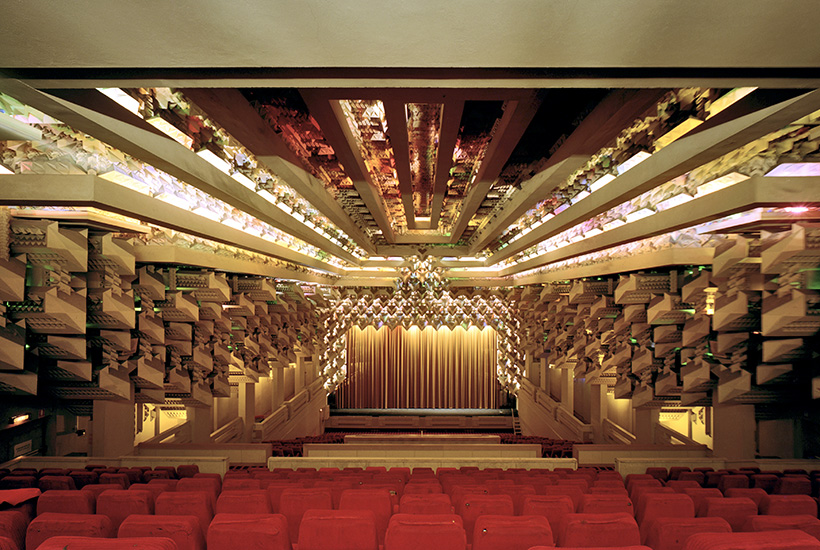
For RMIT’s 1924 Capitol Theatre, RMS designed a 2000A main switchboard, 8.5m L-shaped in 11 sections, hand-carried, delivered on budget.


Learn more

Nestlé

Nestlé

After Nestlé relocated lozenge production to Campbellfield, RMS delivered a modular, type-tested power upgrade, meeting tight timelines and preventing delays.

Learn more

Ready to get started?