Data logging in electrical systems refers to the continuous recording and monitoring of key electrical parameters - such as voltage, current, power consumption, power factor, and harmonic distortion - over time. It provides valuable insight into how electrical systems are operating and helps identify inefficiencies, irregularities, or faults.
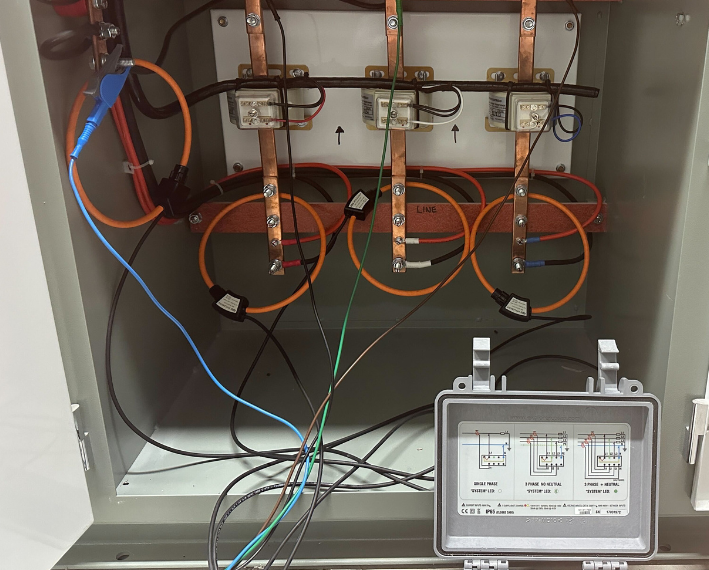
Installed within switchboards, data loggers collect and store real-time information. This data can be accessed locally or remotely via communication protocols.
Data logging is essential for energy audits, system diagnostics, preventative maintenance, and compliance reporting. It helps businesses reduce energy costs, optimise load usage, and ensure that electrical infrastructure is operating within safe parameters. It can also detect issues like voltage dips, spikes, unbalanced loads, or equipment overheating before they lead to failure.
In industrial and commercial environments, data logging supports smarter decision-making by turning raw electrical data into actionable insights. Whether for performance tracking, load analysis, or sustainability reporting, data logging is a powerful tool for improving electrical system reliability, efficiency, and compliance.